Relapse? How to Regain Your Motivation


Relapse? How to Regain Your Motivation
A relapse can feel like a setback. Whether it’s about exercise, healthy eating, quitting smoking, or any other lifestyle change, losing momentum can be discouraging. But the truth is, relapses are a natural part of any change process. What matters most is not that you stumble – but how you get back up. Here’s how you can rediscover your motivation and move forward with renewed energy.
Accept the relapse – without judging yourself
The first step is to accept that relapses happen. Many people respond with guilt or self-criticism, but that rarely helps. Instead of seeing it as a failure, view it as part of the learning process. Each time you lose your rhythm, you gain insight into what triggered it – and how to handle it differently next time.
Ask yourself: What was happening just before the relapse? Were you stressed, tired, or overwhelmed? By identifying the patterns, you can prevent them from repeating.
Læs også:


Reconnect with your “why”
When motivation fades, it’s often because you’ve lost touch with your original purpose. Maybe you started exercising to feel more energetic, eating better to improve your health, or cutting back on alcohol to feel more balanced. Go back to that starting point.
Write down your “why” and remind yourself what inspired you in the first place. It could be a specific moment, a vision of how you want to feel, or a sense of pride you miss. When you reconnect with your purpose, taking the first steps again becomes easier.
Set small, realistic goals
After a relapse, it can be tempting to overcompensate – to train harder, eat perfectly, or set overly ambitious targets. But that often leads to frustration. Start small instead.
Create a plan that feels achievable. It might be going for a walk three times a week, cooking one healthy meal a day, or setting aside time to unwind each evening. Small wins build momentum, and that sense of progress is what reignites motivation.
Lean on community and support
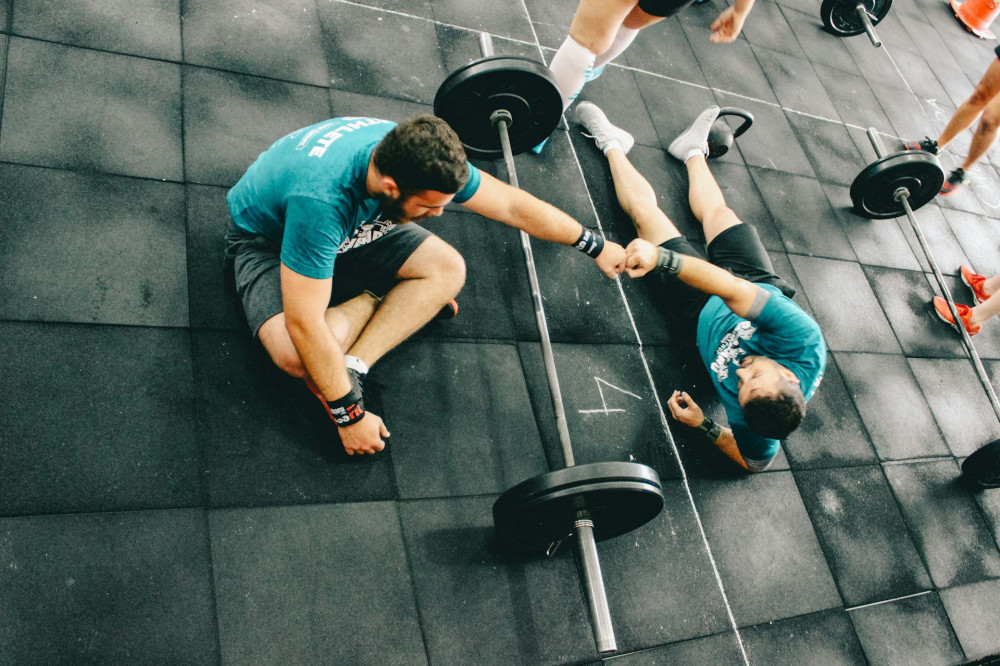
Motivation rarely thrives in isolation. Share your goals with someone you trust – a friend, partner, or colleague. It can help you stay accountable and supported. Many people find it easier to stay on track when they’re not doing it alone.
In New Zealand, there are plenty of ways to connect with others who share your goals – from local running groups and yoga classes to online wellness communities. Seeing others face similar challenges and succeed can be a powerful reminder that change is possible.
Learn from your patterns
A relapse can teach you something valuable about yourself and your habits. Maybe you notice that you lose focus when you’re short on sleep, or that you reach for comfort food when you’re stressed. Instead of ignoring these patterns, use them as guides.
Make small adjustments in your daily routine: plan breaks, get enough rest, and find healthy ways to manage stress – like spending time outdoors, which Kiwis are lucky to have in abundance. The better you understand your own reactions, the stronger you’ll be next time.
Celebrate progress – even the small steps
Motivation grows when you acknowledge your progress. Many people focus only on what’s missing, but it’s just as important to see how far you’ve come. Celebrate the small victories – a week of consistent workouts, a month of mindful eating, or simply the fact that you’ve started again.
Giving yourself credit strengthens your belief that you can succeed. And that belief is the foundation of lasting motivation.
Remember: a relapse is not the end
A relapse doesn’t mean you’re back at square one. You still have the experience, insight, and determination that got you started in the first place. It’s just a matter of adjusting your course and continuing forward. Motivation isn’t a constant state – it needs to be nurtured, rediscovered, and rebuilt over time.
When you see a relapse as part of the journey rather than a dead end, it becomes easier to keep faith in yourself. And that faith is exactly what will carry you forward – every time.
Læs også: