Kitesurfing for Beginners: Why the Wind and Waves Captivate Adventurous Men

Kitesurfing for Beginners: Why the Wind and Waves Captivate Adventurous Men
There’s something magnetic about the mix of wind, water, and speed. Kitesurfing brings these elements together in a thrilling experience where you harness the wind as your engine and the ocean as your playground. For many men with a taste for adventure and physical challenge, the sport becomes more than a hobby – it’s a way to connect with nature’s raw power and test personal limits. But how do you get started, and what makes kitesurfing so irresistible?
A Sport of Freedom and Adrenaline
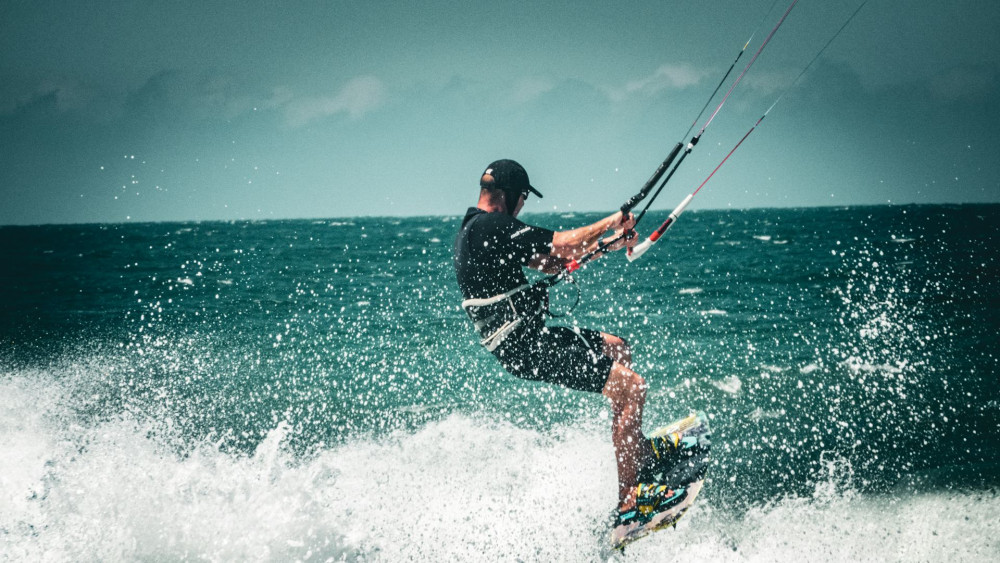
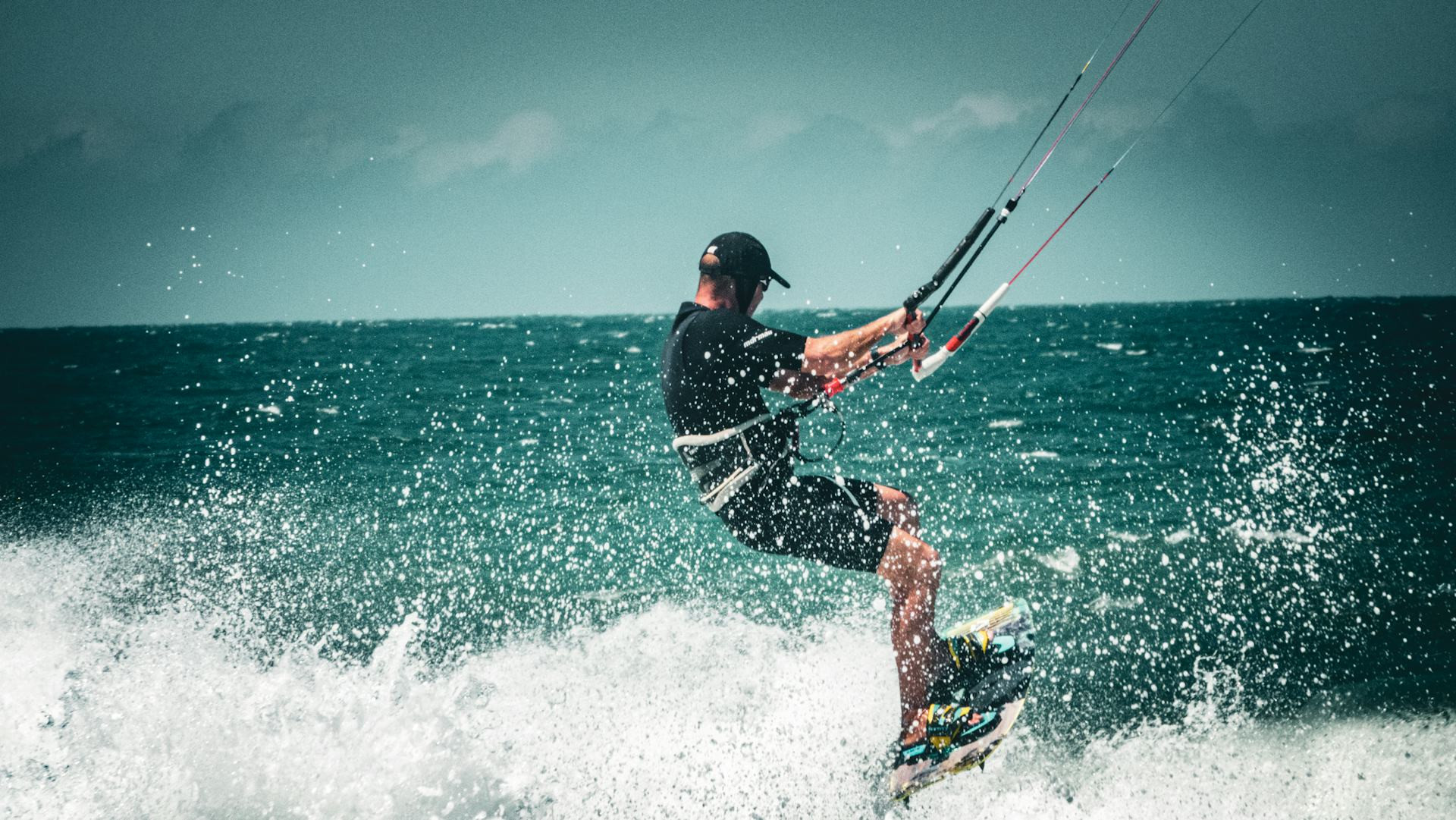
At its core, kitesurfing is about letting a large kite pull you across the water while you balance on a board. It sounds simple, but it demands technique, balance, and respect for the elements. When everything clicks – the wind, the waves, your timing – you experience a sense of freedom that few other sports can match.
For many men, it’s this combination of speed, control, and nature that makes kitesurfing so appealing. It’s a physical challenge, but also a mental one: you must read the wind, feel the water, and react instinctively in an environment that’s constantly changing.
How to Get Started
Although kitesurfing looks extreme, most people can learn it safely with proper instruction. The key is to start gradually and focus on safety.
- Take a lesson – A certified instructor will teach you about safety, wind directions, equipment, and technique. Most schools offer beginner courses lasting two to three days.
- Master kite control on land – Before hitting the water, you’ll learn to handle the kite safely. This is where you begin to understand how the wind behaves.
- Practice in shallow water – Once you can control the kite, you’ll combine it with the board. The first few rides are unforgettable – and often a test of balance and patience.
- Choose the right conditions – Beginners should start in light to moderate wind and flat, shallow water. Avoid strong winds and big waves until you gain experience.
Læs også:



Equipment: What You’ll Need
Kitesurfing requires some gear, but most of it can be rented while you’re learning. The essentials include:
- Kite – Available in different sizes depending on wind strength and your body weight.
- Board – Usually a twin-tip board, similar to a wakeboard.
- Harness – Distributes the kite’s pull across your body, so you don’t rely solely on arm strength.
- Wetsuit and flotation vest – Keep you warm and buoyant in the water.
- Safety leash and quick-release system – Allow you to detach from the kite quickly if needed.
Once you gain confidence, you can invest in your own gear, but renting first helps you find what suits you best.
Where to Kitesurf in New Zealand
New Zealand is a paradise for kitesurfers, offering consistent winds, stunning coastlines, and plenty of space to ride. Whether you’re in the North or South Island, there’s a spot for every level.
- Raglan (Waikato) – Famous for its surf culture, Raglan also offers great kitesurfing conditions with steady winds and long runs.
- Auckland’s Bays – Spots like Pt. Chevalier, Orewa, and Eastern Beach are popular with beginners thanks to their shallow waters and easy access.
- Tauranga and Mount Maunganui – Warm water, reliable sea breezes, and a friendly local community make this area ideal for learning.
- Christchurch’s New Brighton Beach – A wide sandy beach with consistent wind, perfect for practicing.
- Nelson and Tasman Bay – Known for sunshine and flat water, great for beginners and freestyle riders alike.
- Dunedin’s St. Kilda Beach – For those in the South, this spot offers strong winds and open space.
Always check local regulations and respect areas where kitesurfing may be restricted to protect wildlife or swimmers.
Safety and Respect for Nature
Kitesurfing is exhilarating, but safety should always come first. The ocean and wind can change quickly, so preparation is essential.
- Always check the weather forecast before heading out.
- Never kitesurf alone – have a buddy on the beach.
- Use proper safety gear and know how your quick-release system works.
- Keep a safe distance from swimmers, boats, and other surfers.
- Know your limits – if the wind picks up too much, it’s okay to call it a day.
Respecting the environment is just as important. Avoid damaging dunes or vegetation, and take your rubbish with you. Kitesurfing is about being part of nature, not leaving a mark on it.
Why the Sport Appeals to Adventurous Men
For many men, kitesurfing is more than a sport – it’s a lifestyle. It combines physical effort, technical skill, and a deep connection with the natural world. It satisfies the craving for freedom, challenge, and mastery. It’s also a way to disconnect from daily stress and find focus in the moment.
There’s a strong social side too. Kitesurfers often gather on beaches, share tips, and help each other launch or land kites. It’s a community where independence and camaraderie go hand in hand.
And then there’s that moment – when you lift off the water for the first time, suspended by the wind, everything else disappears. That feeling of weightless flight is what keeps people coming back.
A Sport That Keeps Giving
Kitesurfing is a lifelong pursuit that challenges both body and mind. It teaches you to read the wind, trust your instincts, and find joy in the elements. The more you learn, the more rewarding it becomes.
So if you’re looking for a sport that blends adventure, nature, and freedom, kitesurfing might be your next great passion. The wind is waiting – all you have to do is take the leap.
Læs også: