Hope After Loss: How Men Keep Faith in the Future


Hope After Loss: How Men Keep Faith in the Future
When life brings loss – whether it’s the death of a loved one, the end of a relationship, illness, or losing a job – men often respond differently than women. Many withdraw, try to “handle it themselves,” and put words to their feelings only as a last resort. Yet within grief lies the seed of change and hope. Keeping faith in the future isn’t about forgetting, but about finding a new way to live with what has happened.
When Strength Turns into Silence
In many New Zealand families and communities, men are raised to be strong, practical, and in control. That can make it hard to show vulnerability when life hurts. Some men feel pressure to “move on” quickly, so they close themselves off instead.
But silence can become heavy. Mental health professionals warn that unprocessed grief can lead to loneliness, stress, and even depression. The first step toward hope is to acknowledge the pain and give it space. It’s not a sign of weakness – it’s an act of courage.
Finding Meaning in the Midst of Loss
When something or someone that gave life direction is gone, everything can feel empty. Many men describe it as losing their footing – as if the world keeps moving but they’re standing still. In that phase, small, concrete actions can help: getting out of bed, going for a walk, cooking a meal, or calling a mate.
Over time, it can help to ask: What does this loss mean to me – and what can I carry forward? For some, grief becomes a turning point: a reason to change direction, get involved in something new, or reconnect with people who matter. Meaning rarely appears on its own, but it can grow through action.
Community as an Antidote to Isolation
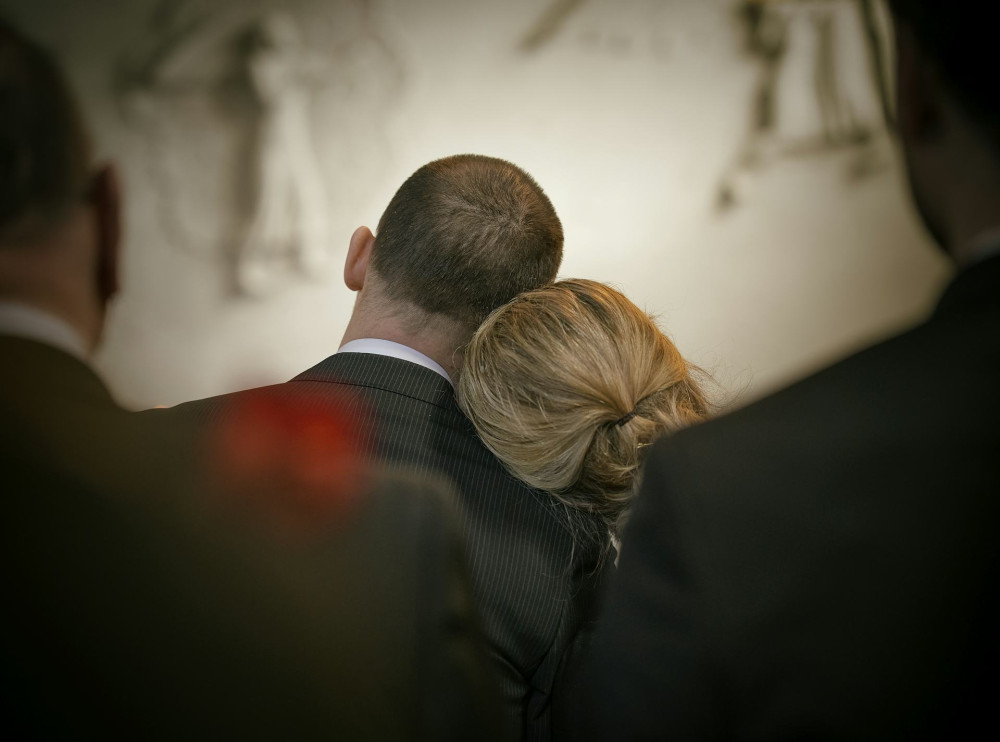
Even though many men find it hard to talk about emotions, research shows that connection is one of the strongest factors in healing after loss. It doesn’t have to be a formal support group – it can be a friend, a colleague, or a family member you can be honest with.
In New Zealand, some men find comfort in shared activities – fishing, rugby, tramping, or working on a project together – where conversations happen naturally. Others join community groups or online forums where experiences of loss are shared. The form doesn’t matter as much as not facing it alone.
The Body as a Path to Balance
Grief affects not only the mind but also the body. Sleeplessness, fatigue, and tension are common reactions. Physical activity – whether it’s running, surfing, gym training, or a walk along the beach – can help regulate stress and bring calm. It’s not about escaping feelings, but giving them a place to settle.
Many men find that moving their bodies helps them regain a sense of control when everything else feels uncertain. Feeling strength and movement again can remind them that life continues, even when it hurts.
The Courage to Seek Help
There’s still a strong belief that men should cope on their own. But professional help can be a vital support when grief becomes too heavy. Talking with a counsellor, therapist, or spiritual advisor can offer new perspectives and tools for coping.
It takes courage to reach out – but that’s often where change begins. Many men say that speaking with someone outside their circle helped them put words to feelings they didn’t fully understand themselves.
Læs også:



Hope as a Quiet Companion
Hope after loss isn’t a sudden burst of light. It grows slowly – in small moments of connection, in laughter returning, in the ability to look ahead without denying what’s been lost. Hope isn’t about forgetting, but about living on with what remains and still believing that life holds new possibilities.
Keeping faith in the future takes patience, honesty, and community. And perhaps most importantly, it takes allowing yourself to be human – with all that entails of grief, strength, and hope.
Læs også: