Hearty One-Pot Meals: How to Add More Veggies Without Losing That Satisfying Fullness

Hearty One-Pot Meals: How to Add More Veggies Without Losing That Satisfying Fullness
There’s something deeply comforting about a one-pot meal – warm, rich, and full of flavour. But for many Kiwis, the classic stew or casserole still brings to mind heavy ingredients like cream, sausages, or big chunks of meat. It doesn’t have to be that way. With a few smart tweaks, you can pack in more vegetables without losing the hearty texture and depth that make these dishes so satisfying. Here’s how to build one-pot meals that are both nourishing and filling.
Let the Veggies Take the Lead
Instead of starting with meat, think of vegetables as the main event. New Zealand’s produce is perfect for this approach – kumara, pumpkin, and carrots bring natural sweetness and body, while mushrooms and eggplant add that savoury, meaty feel.
Cut your vegetables into larger chunks so they hold their shape and don’t turn to mush. Try browning them in the pot before adding liquid – this caramelises their edges and builds a deeper base of flavour. You’ll be surprised how much richness you can get from plants alone.
Legumes: The Secret to Staying Full
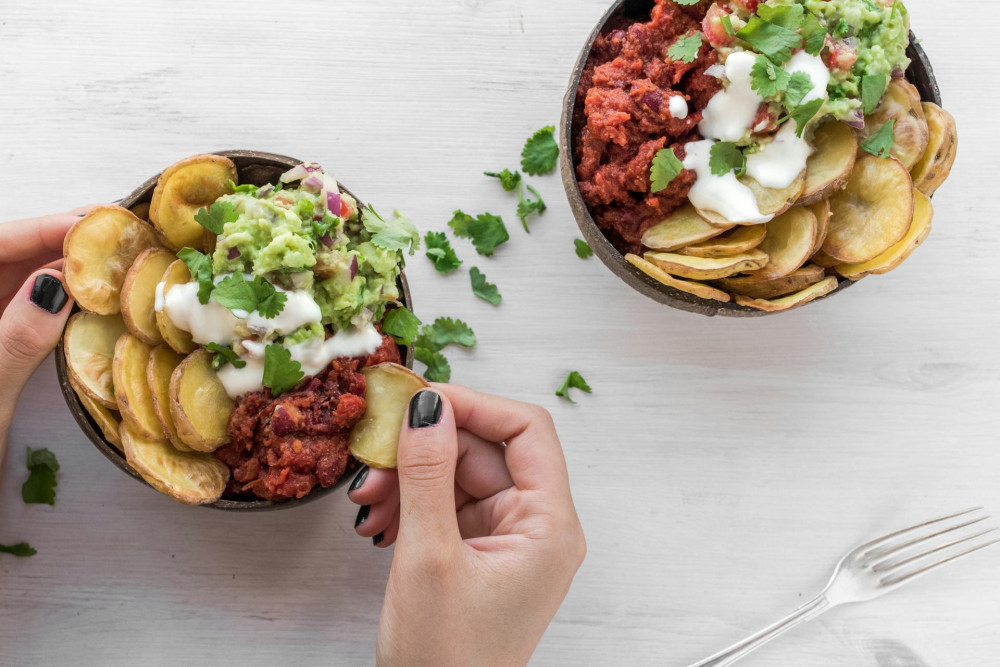
Beans, lentils, and chickpeas are your best friends when it comes to creating a satisfying one-pot meal. They soak up flavour, add protein, and make the dish more substantial. Green or brown lentils work beautifully in tomato-based stews, while cannellini beans or chickpeas are great in creamy or coconut-based sauces.
If you’re used to making a mince-based dish, try swapping half the meat for lentils. You’ll still get that hearty texture, but with more fibre and nutrients – and it’s easier on the budget too. It’s a simple way to cut down on meat without feeling like you’re missing out.
Build Flavour with Spices and Texture
When you add more vegetables, it’s important to give the dish character. Use spices and herbs that complement your ingredients – cumin and smoked paprika for root vegetables, thyme and rosemary for mushrooms, or curry powder and ginger for lentils and chickpeas.
Texture also matters. A sprinkle of toasted seeds, crispy chickpeas, or fresh herbs on top can transform a simple stew into something special. That bit of crunch or freshness keeps every bite interesting.
Make the Liquid Work for You
A great one-pot meal isn’t just about what’s in the pot – it’s also about what surrounds it. Use stock, wine, coconut milk, or chopped tomatoes as your base, depending on the direction you want to take. A splash of acidity at the end – lemon juice, vinegar, or even a spoonful of yoghurt – can brighten the flavours and balance out heavier ingredients like kumara or beans.
Cook Once, Eat Twice (or More)
One of the best things about one-pot meals is how well they keep. The flavours deepen overnight, making leftovers even better the next day. So make a big batch and freeze portions for quick, wholesome dinners later in the week.
You can also reinvent the same base in different ways: serve it with rice one night, spoon it over mashed potatoes the next, or wrap it in flatbread for lunch. It’s an easy way to eat well without extra effort.
Læs også:
Balance, Not Sacrifice
Adding more vegetables isn’t about giving something up – it’s about expanding what your meals can be. When you combine fresh produce, legumes, and bold seasonings with care, you get one-pot dishes that are hearty, flavourful, and full of life.
It’s food that feels real – the kind that warms you up after a long day and keeps you going strong. So next time you reach for the pot, let the veggies take centre stage. You won’t miss a thing.
Læs også: