Battery Health: The Key to a Reliable Car

Battery Health: The Key to a Reliable Car
A car battery might not be the most eye-catching part under the bonnet, but it plays a crucial role in keeping your vehicle running smoothly. Without a healthy battery, even the most advanced car is just a stationary piece of metal. The battery’s condition affects everything from the starter motor to the electronics – which is why understanding how to keep it in top shape is essential.
Why Battery Health Matters
Your car’s battery provides the power needed to start the engine and run systems like lights, the radio, air conditioning, and sensors. When the engine is running, the alternator recharges the battery, but if the battery is weak or faulty, it won’t hold charge properly. The result? Trouble starting the car – especially on cold mornings or after long periods of inactivity.
A healthy battery ensures not only that your car starts every time but also that all electronic systems function correctly. Modern vehicles rely heavily on electronics, and an unstable battery can cause issues with everything from infotainment systems to safety features.
Signs Your Battery Needs Attention
There are several warning signs that your battery may be losing its strength:
- Slow engine crank – the engine turns over sluggishly when you start the car.
- Dim lights – headlights and dashboard lights appear weaker than usual.
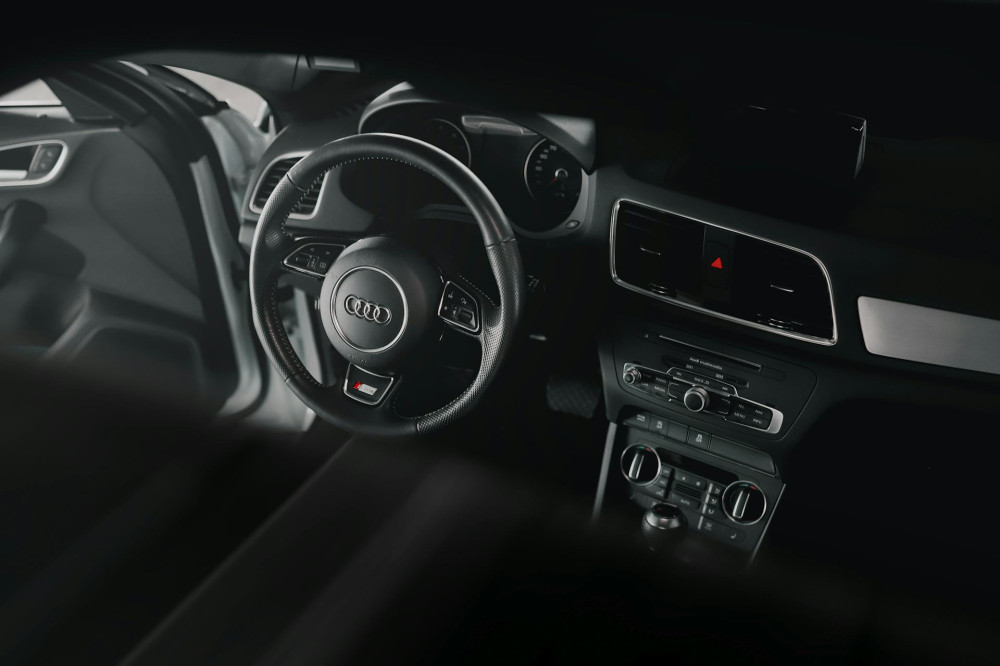
- Warning light – the battery or charging system light appears on the dashboard.
- Electrical glitches – radio, wipers, or air conditioning behave erratically.
- Corrosion – white or green deposits around the terminals can weaken the connection.
If you notice any of these symptoms, it’s a good idea to have your battery tested. Many workshops and service stations across New Zealand offer quick battery checks.
How to Extend Your Battery’s Life
A car battery typically lasts between four and six years, depending on usage and maintenance. Here are some simple tips to get the most out of it:
- Drive regularly – short trips and long periods of inactivity can drain the battery. A longer drive now and then helps keep it charged.
- Keep terminals clean – remove corrosion with a brush and a mix of warm water and baking soda.
- Turn off power-hungry devices – avoid leaving lights, the radio, or chargers on when the engine is off.
- Check the voltage – a fully charged battery should read around 12.6 volts. Anything below 12 volts indicates it needs charging.
- Use a maintenance charger – if your car sits unused for weeks, a smart charger can prevent deep discharge.
New Zealand’s Climate and Your Battery
New Zealand’s climate can be tough on car batteries. In colder regions like the South Island, winter temperatures can reduce battery performance, as chemical reactions slow down and engines require more power to start. In contrast, the warmer North Island climate can accelerate fluid evaporation and internal wear, especially if the car is parked in direct sunlight for long periods.
Before winter sets in, it’s wise to have your battery tested – it’s a small step that can save you from being stranded on a frosty morning.
When to Replace the Battery
Even with proper care, no battery lasts forever. If it can’t hold a charge or repeatedly goes flat, it’s time for a replacement. A new battery is a relatively small investment compared to the inconvenience of a breakdown.
When choosing a new battery, make sure it matches your car’s specifications – including size, capacity (Ah), and cold cranking amps (CCA). Vehicles with start-stop systems often require special AGM or EFB batteries designed to handle frequent restarts.
Læs også:


A Simple Check That Makes a Big Difference
Keeping an eye on your battery’s condition is an easy yet effective way to ensure a reliable car. A healthy battery means fewer starting issues, less strain on the alternator, and a smoother driving experience. It only takes a little attention – but it can save you time, money, and frustration.
So next time you lift the bonnet, take a moment to check your battery. It’s your car’s hidden powerhouse – and the key to getting you on the road every time.
Læs også: